VIPプログラム

10月31日(木) - 11月03日(日)

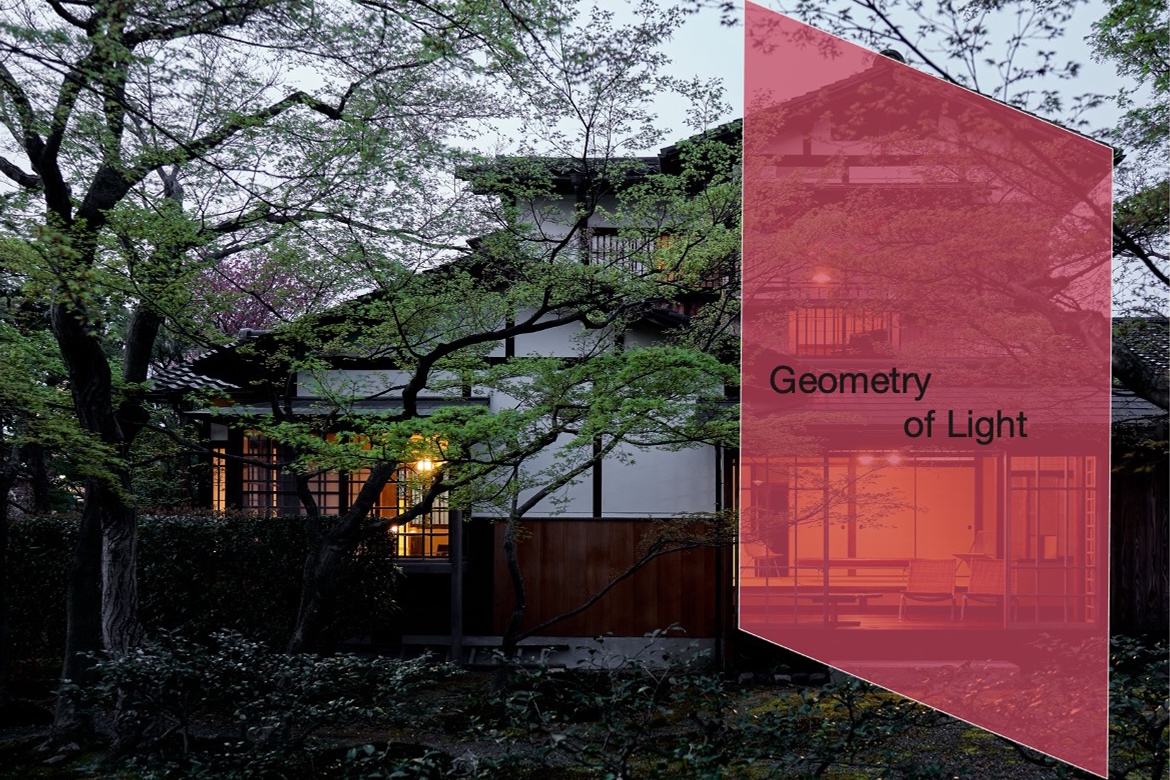
【特別入場】Relevant Object|Geometry of Light Dori Deng

ドリ・デン(Dori Deng)は、アートとデザインが交差する中、計算し尽くされた技術と素材のディテールで投影された光と時代に左右されないミニマリズムが織りなす表現を見る者を誘います。歴史ある旧喜多邸にしつらえられた北欧モダニズムを背景に「Geometry of Light」展は私たちの時間や空間に対する知覚に問いかけます。
Come, be surprised!

開催中の展覧会:「Geometry of Light」 Dori Deng
会場:Relevant Object
Googleマップ ▶︎

特別招待日: 10月31日(木)–11月3日(日)
入場時間:12:00−/13:00−/14:00−/15:00−/16:00−(17:00閉場)
入場料:無料
※11月1日(金)のみ最終入場15:00(16:00閉場)とさせていただきます。
※下記リンクからご予約の上、ご来場時にACK VIPチケットをご提示ください。

【ご予約方法】
事前にギャラリーウェブサイトの来訪予約ページよりご予約いただけます。ご予約フォームの「フォーカス」欄の「Art Collaboration Kyoto VIP」にチェックを入れ、送信ボタンを押してください。

(英語のみ)
Geometry of Light | Dori Deng

Artist: Dori Deng | Space of Time
Date & Time: Thursday, October 31 – Monday November 3rd 12:00pm–5:00pm
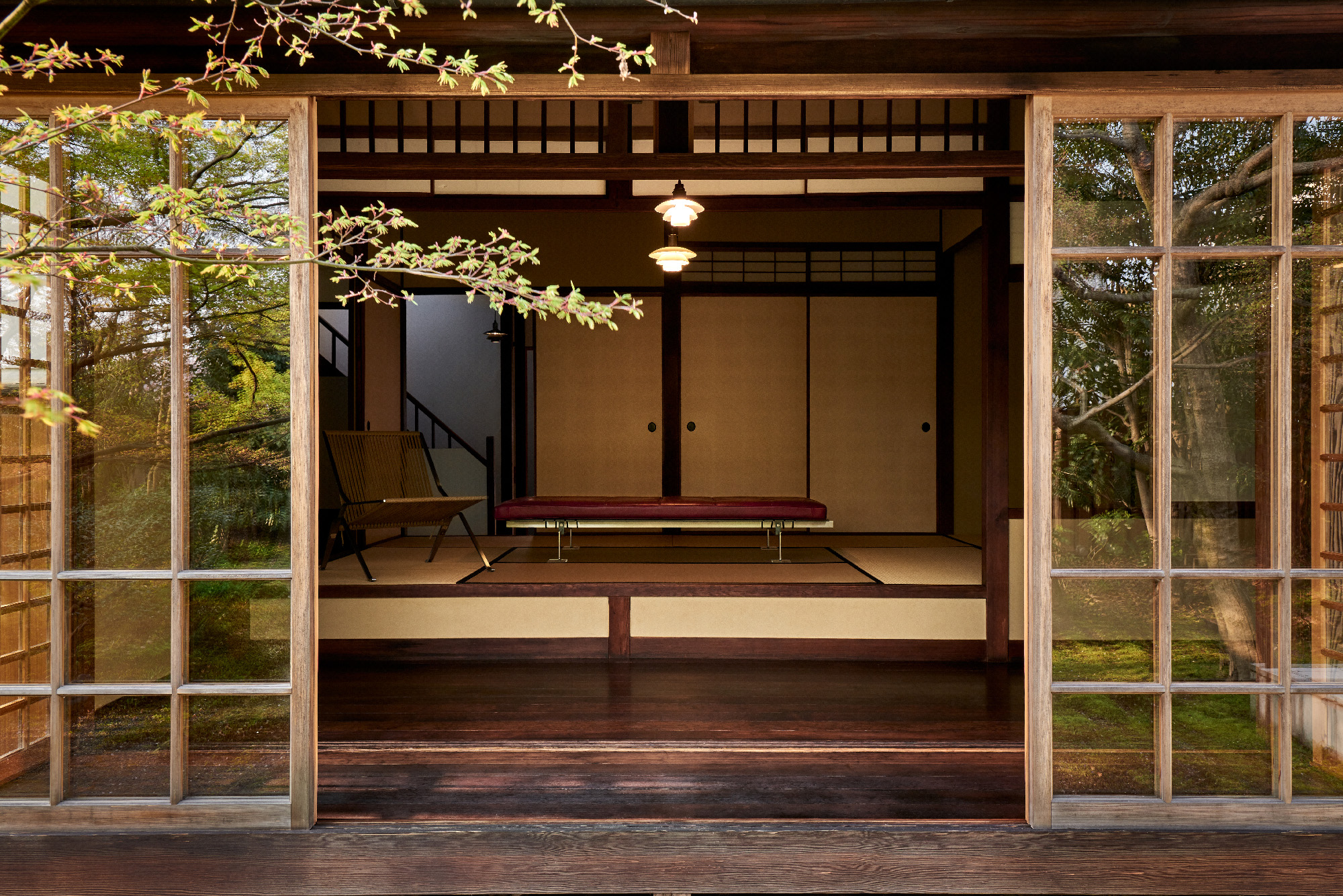
Venue: Relevant Object at the former Kita Residence by the celebrated architect that brought Modernism to Japan, Fujii Koji.

Artist Statement
Light has physical structure and duration. To visualise these properties of light I draw connections between architectural spaces and our movements within, our memory beyond. The main medium in my practice is projected light, present through the forms of installation and performance with site-responsive manner. I am particularly interested in time-based elements that function as ‘activation’ in reading the architectural space, to provoke a different way of seeing and challenge our perceptive experience. Scientifically, light is a tool for measuring because of its primary physical properties of propagation direction and intensity, these qualities of light fascinate me — the structure and temporality of it. I see light as a time-based, structural medium, it travels with speed and that journey draws a space.
Expansion Series

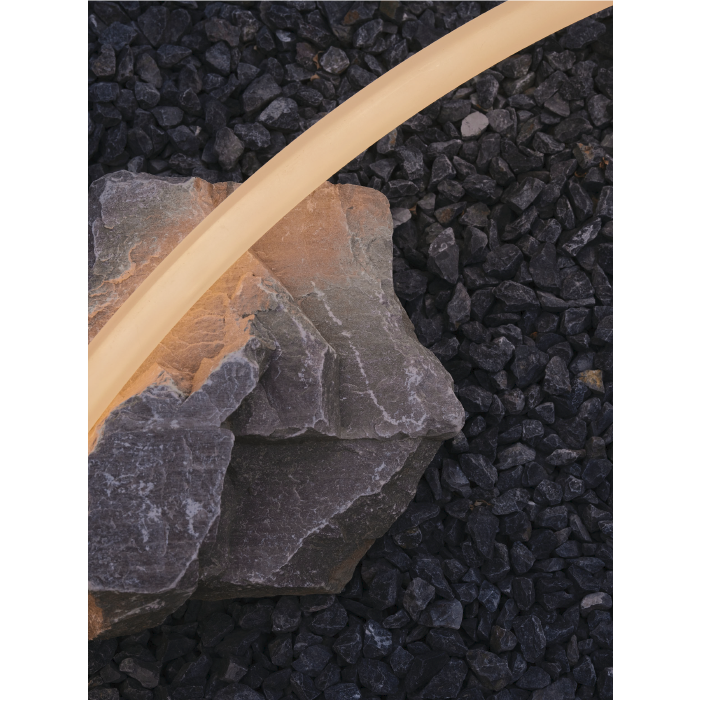
Expansion Series (2020 – present) are rooted from the research of Modernist Architecture, in particularly the International Style in 1920s. The movement used standardized construction materials such as steel and glass in repetitive and geometric composition, to introduce the light and volume into the interior, therefore enlarging the perceptive experience of a person over architecture exploit. The light sculptures in this series are articulated with craft techniques as well as the adaptation of industrial process, it created balance and harmony through juxtaposed the handmade and standardized qualities. Metaphorically, the series questioned our urbanization and industrialization development. One hundred years later, we are returning to the beginning of this cycle — revalue handmade quality, appreciate slow living, and exit from cities. The nature of human progression in cycle.

Relevant Object

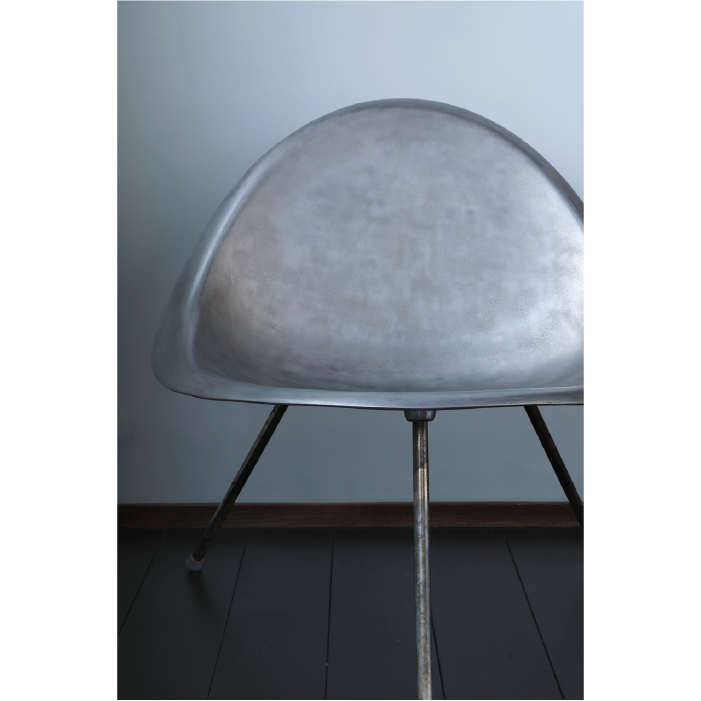
Relevant Object specializes in the collection and placement of original works of applied art, including furniture, ceramics and objects related to the home, generally of Nordic origin. We create opportunities for relevant objects of yesterday to live again today. Timelessness is established in the handicraft tradition, when a community of collaboration existed among architects, craftsmen, and designers that challenged the distinction between objects and works of art.

Located in a quiet residential neighborhood in Kita-Shirakawa, the former Kita Genitsu Residence (registered tangible cultural property) was masterfully designed by Fujii Koji in 1926. The mesmerizing ambience of the house surrounded by Japanese maple trees is an active host for the convergence of art, design and its relation to its environment.

Poul Kjærholm, Denmark 1929 – 1980

Møbelkunst
The genius of Poul Kjaerholm furniture is how elegant and understated it is. It allows one to place it next to great art, and the design works subliminally on the same plane as the art. The furniture is not willfully self-conscious or attention-seeking; it is complementary. I’d go so far as to say that Poul Kjaerholm is the best furniture to use next to great art and architecture, and its use in the Museum of Modern Art is evidence of that, of course.
Sean Kelly Gallery, New York

Danish Furniture was at its zenith, both at home and abroad when Kjærholm entered the scene. Traditionally apprenticed and trained, the young designer chose a path that underscored his ambition to create elemental objects devoid of traditional Nordic reference. Kjærholm’s artistic treatment of unconventional materials was a radical step beyond conventional Danish Møbelkunst, but his work is ultimately rooted in that tradition. Using the nature of material and the production technique to express form paired with a highly-developed awareness of shape and the space in which it occupies. Kjærholm’s furniture is distinctive when observed from both modern and historical perspectives. His work continues to exert its influence, resolutely forward facing, 75 years after his debut as Denmark’s furniture architect.

Internet Explorerでの閲覧は非対応となっております。

お手数ですが、
Microsoft EdgeGoogle ChromeFirefoxなど
他のブラウザにてご利用ください。